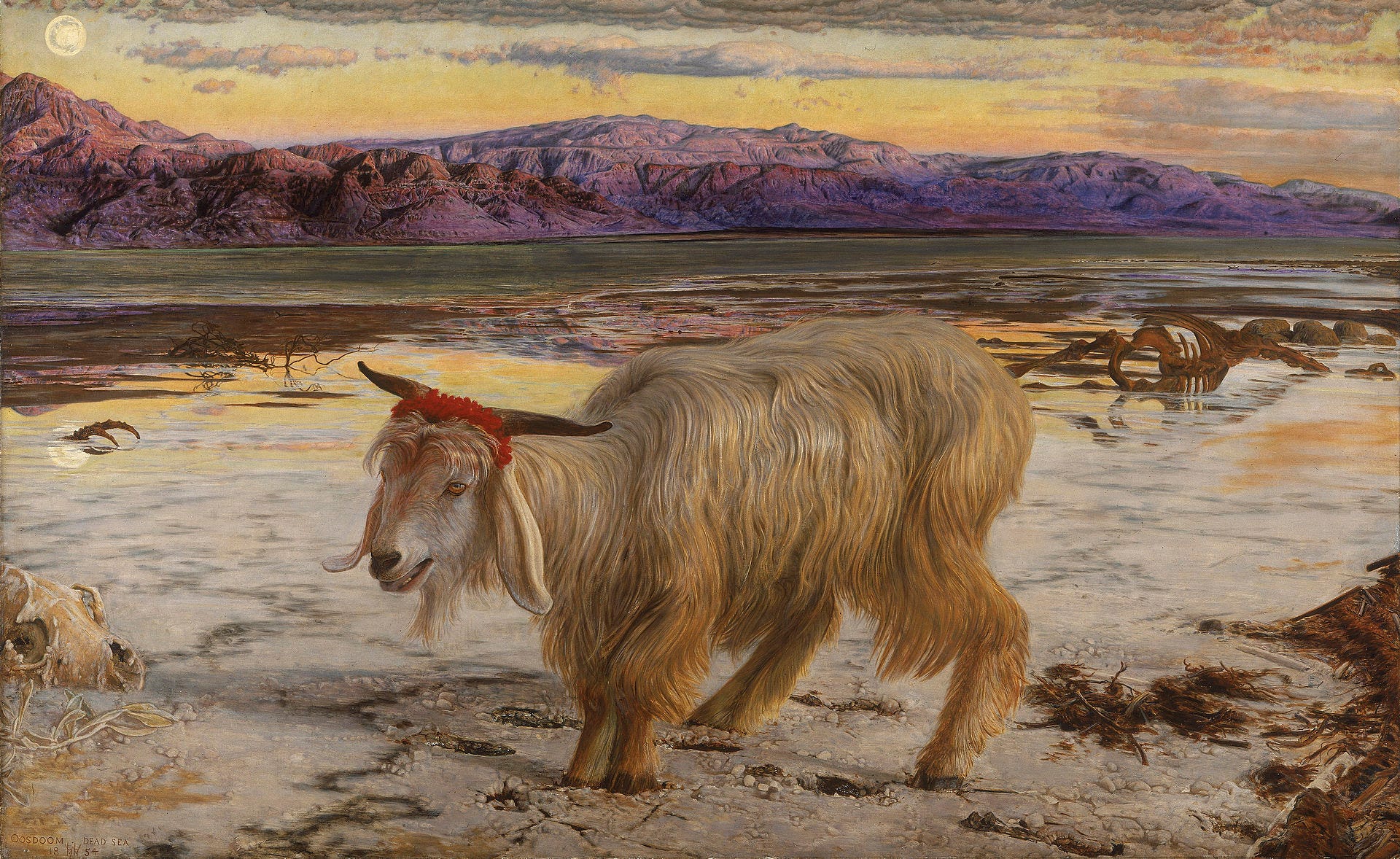
What is a "Scape Goat?"
You might hear the phrase 100 times before you realize it's a Biblical thing. See Leviticus 16!

Kids, I don’t know how else to put this: one of the weirdest facets of Christianity is its connection to earlier forms of blood-sacrifice. In the old, old days, in the Old Testament, and in Homer’s Bronze Age Greece (as well is in the Aztec civilization, and elsewhere), people used to kill animals to redeem themselves after they committed a sin.
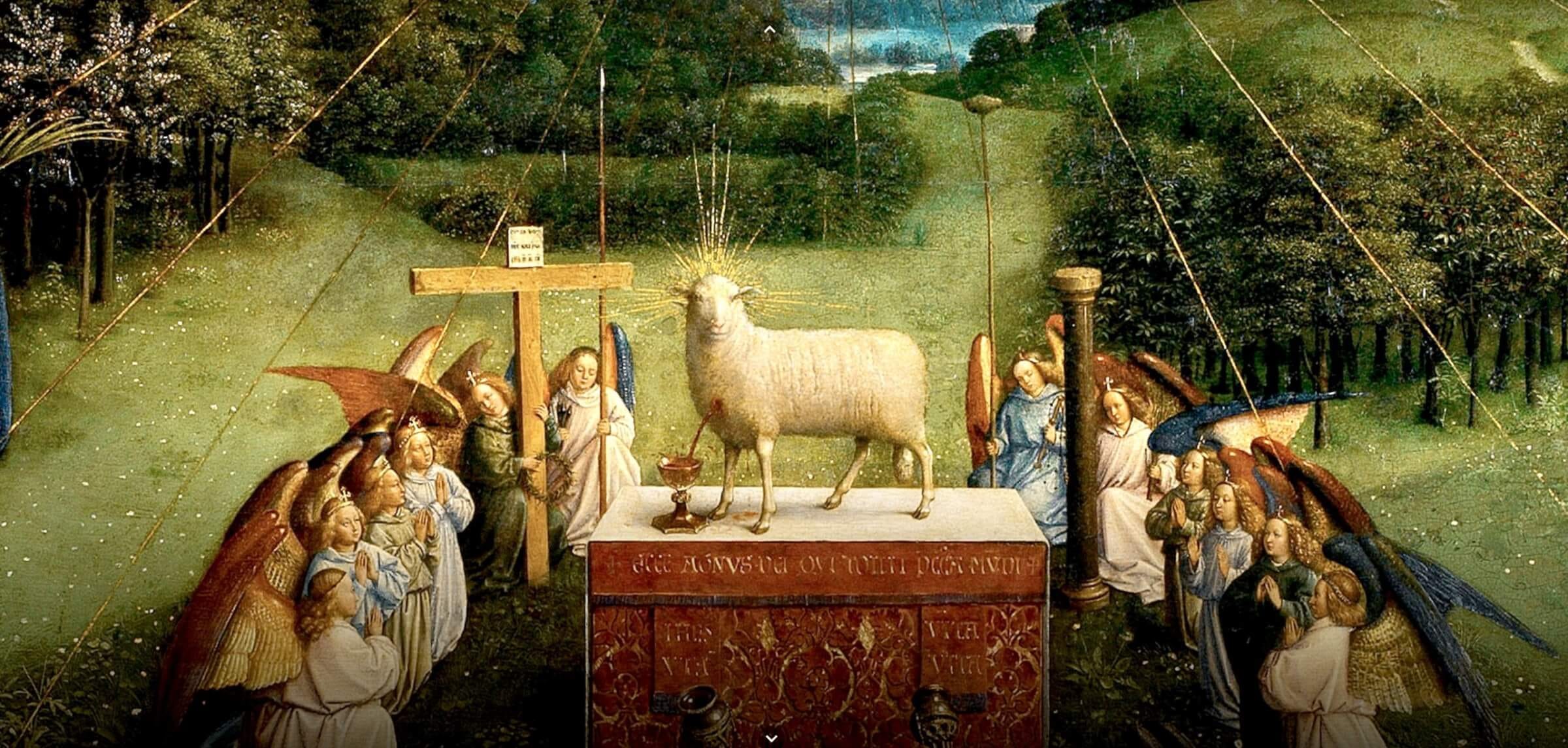
In fact, the whole Jewish religion was sort of built around this idea: the Temple in Jerusalem, with its altar and priesthood, is where every family (including Jesus’) would bring their annual goat or sheep to be slaughtered. Much of this is debated, but the idea seems to be that the sins a person committed could be “put onto” the sacrificial victim, and then when the animal was killed, the sin was destroyed/nullified.
But the animal had to be “spotless,” or perfect—so the priests always inspected the animals to make sure they didn’t have any blemishes. And this is why Jesus had to be sinless: he was the last, perfected, sacrifice in that system. [This is probably also why you’ll sometimes hear of “sacrificing a virgin” in movies and books.]
Anyway, Leviticus 16 speaks about atonement (reconciliation), and the Israelites were commanded to get two goats. One of the goats should be killed as a common sacrifice, but the other… is the scape-goat. The high priest would lay his hands on the goat and confess Israel’s sins for the whole year, and then the goat was sent out into the wilderness. And that, supposedly, restored God’s relationship to Israel each year.
So in modern language, “a scape goat” is someone who takes the blame so that the larger community can move on and be renewed—usually so that a conflict can be resolved. Weird, huh?